

Introduction
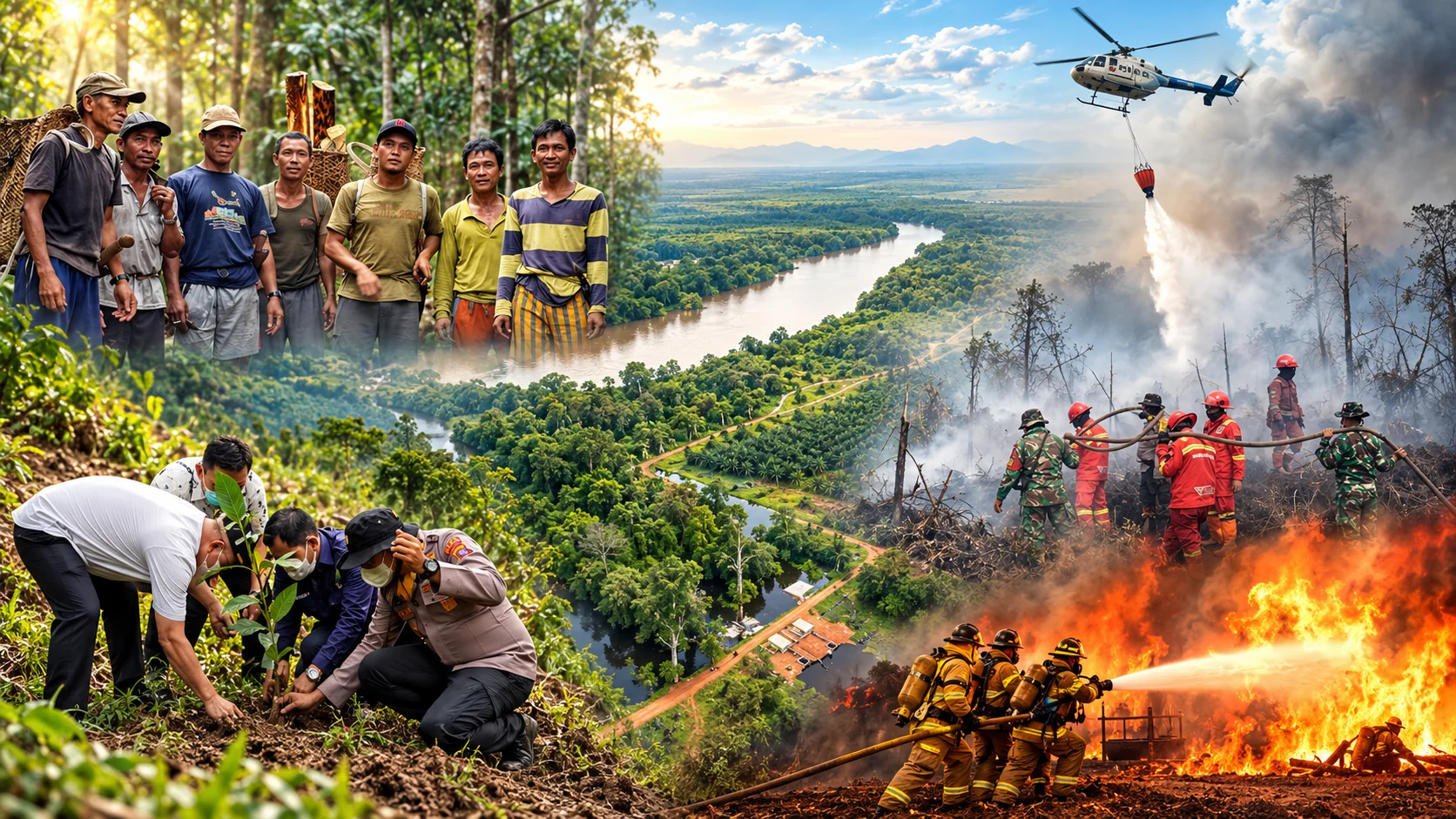
Forests are the lungs of the earth and the lifeblood for millions of living creatures. However, every dry season, a heartbreaking scene often repeats itself. Thick plumes of smoke rise, flames consume the trees, biodiversity is threatened, and vast stretches of previously green forest are reduced to ash and charcoal.
Forest fires are not merely an ecological disaster; they are a serious threat to human survival, public health, and the balance of the global climate.
Behind the thick smoke and the vast expanse of scorched land lies an extraordinary struggle that often goes unseen. It ranges from the courage of firefighters and volunteers who risk their lives to penetrate the flames, to the persistence of local communities and environmental activists who pour their energy into replanting hope in barren soil.
Pinem (2016) examines the issue of forest and peatland fires through the perspective of ecofeminist theology, which also addresses the relationship between humans and the environment.
Restoring a damaged forest is no easy task. This process is a long journey that requires time, commitment, and cross-generational cooperation.
Through this article, the discussion is directed toward the struggle to conquer the flames, the challenges in restoring damaged ecosystems, and concrete steps to restore forest sustainability for the future.
Discussion
A. Fighting the Flames
Behind the news reports on forest fires, there is the struggle of officers and volunteers who risk their safety to face extreme field conditions. They do not only face fire, but also various physical challenges, limited equipment, and health risks due to smoke exposure.
1. Physical and Mental Challenges in the Field
The forest and land fire suppression team, consisting of Manggala Agni, the Indonesian National Armed Forces (TNI), the National Police (Polri), the Regional Disaster Management Agency (BPBD), local volunteers, and fire-aware community groups, must face difficult terrain conditions.
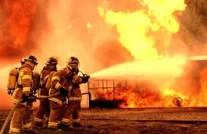
Extreme temperatures, limited visibility due to thick smoke, and limited water supplies are the main challenges when firefighting operations take place in dry forest areas.
In addition to requiring physical readiness, personnel are also required to have strong mental resilience. Fires that continue to spread can make the suppression process last for a long time, even in locations that are difficult for vehicles or heavy equipment to reach.
2. Integrated Fire Suppression Strategy
Forest fire suppression operations do not only rely on manual water spraying on the ground. Handling them also requires inter-agency coordination and the application of various strategies according to the conditions of the affected area.
One method used is water bombing, which is the aerial spraying of water using helicopters to help reach fire spots that are difficult to access by land.
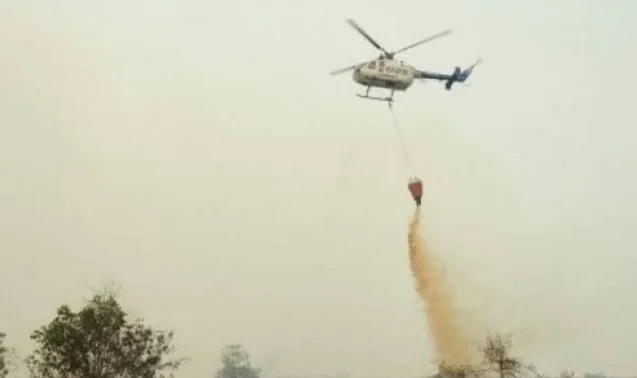
In addition, officers can create firebreaks or firebreaks to hinder the movement of fire toward areas that have not yet burned.
In peatland areas, periodic wetting is an important step because fire can persist and spread beneath the soil surface, so handling it requires special techniques.
3. Unsung Heroes
The success of forest fire suppression is also inseparable from the solidarity of the local community.
In a number of regions, residents help officers extinguish fires with available equipment. Their involvement is a form of concern for the safety of the environment, settlements, and sources of livelihood that depend on the existence of the forest.
The cooperation between the community, Manggala Agni, the TNI, the National Police, firefighters, and volunteers shows that forest fire management cannot be done by one party alone.
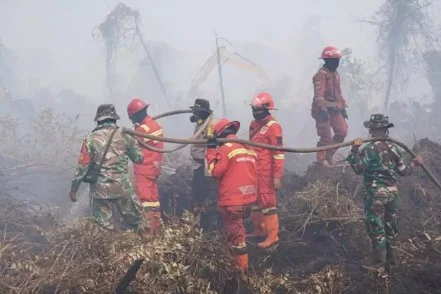
The spirit of mutual cooperation (gotong royong) is an important strength in facing disasters, especially when limited personnel and facilities become obstacles in the field.
B. The Heavy Challenge of Ecosystem Rehabilitation
Extinguishing the fire is only the first stage of the forest recovery process. After the fire is successfully controlled, there is still a major challenge to restore the ecological functions of the affected areas.
Burned soil can undergo changes in its physical, chemical, and biological properties. The loss of vegetation cover also increases the risk of erosion, especially when the rainy season arrives.
Narendra et al. (2023) discuss the importance of the hydrological function of peat swamp forests and the impacts caused when these ecosystems experience degradation.
Therefore, forest area rehabilitation must be planned comprehensively by considering land characteristics and the involvement of the surrounding community.
1. Peat Hydrology Restoration
In peat areas that have experienced fires, one of the important steps in recovery is hydrological restoration.
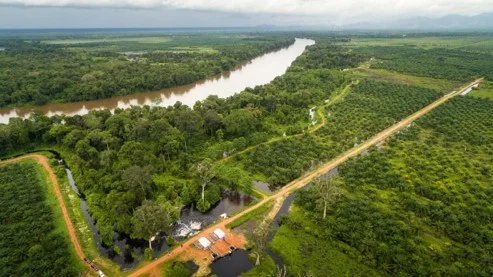
This restoration aims to restore water management conditions so that peatlands remain wet and do not easily experience recurring fires.
One method used is rewetting or re-wetting peatlands through the construction of canal blocks (canal blocking).
Canal blocks serve to help retain water flow so that the groundwater level can be maintained at conditions that support the recovery of the peat ecosystem.
Triadi (2020) discusses the restoration of peat swamp land through rewetting methods and paludiculture as part of a sustainable peat management approach.
2. Forest Replanting
Replanting or reforestation is an important part of the recovery process for forest areas damaged by fire.
However, this activity cannot be done carelessly. The selection of plant species needs to be adjusted to soil conditions, ecosystem characteristics, and rehabilitation goals.
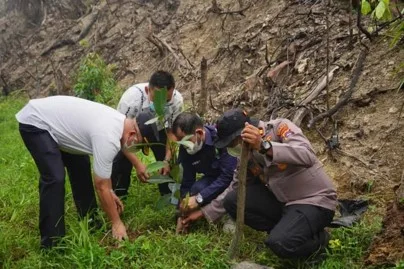
Local tree species such as meranti, binuang, and other endemic plants can be considered according to the ecological suitability of each area.
Replanting does not only aim to restore vegetation cover, but also helps restore the ecological functions of the forest, improve soil conditions, and provide habitat for various types of wildlife.
The success of rehabilitation activities also depends on plant maintenance, growth monitoring, and protection of the area from the threat of further fires.
3. Community Involvement in Forest Recovery
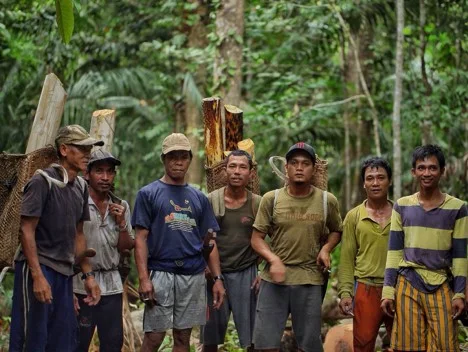
Forest recovery will be more sustainable if the communities living around the area are involved.
Social forestry programs and agroforestry systems are approaches that can help integrate environmental conservation interests with the economic needs of the community.
Through agroforestry, the community can manage forestry plants and agricultural commodities in a land-use system that pays attention to the sustainability of ecological functions.
Ramadhan and Amalia (2021) discuss social forestry policies as part of forest area management that is closely related to community interests.
With the involvement of residents, rehabilitation activities do not only focus on planting trees, but also build a sense of ownership and shared responsibility for the sustainability of the forest area.
C. Protecting the Green Legacy for the Future
Rising from the impact of forest fires requires a long-term commitment involving the government, the private sector, academics, environmental communities, and the younger generation.
One important effort that must be strengthened is community-based prevention.
Education regarding the dangers of land clearing by burning needs to be carried out continuously, especially in areas with high fire vulnerability.
In addition, strengthening the early warning system early warning system at the village level can help the community recognize the potential for fire early on, so that preventive measures can be taken more quickly.
The younger generation also has an important role in maintaining forest sustainability.
Through digital campaigns, tree planting activities, environmental research, and social action, the younger generation can be a driver in increasing public awareness of the importance of environmental conservation.
Sahendra et al. (2023) discuss the revitalization of the role of youth in social movements concerned with climate change in the digital era.
This shows that concern for the environment is not only realized through direct activities in the field, but also through the dissemination of information, education, and the use of communication technology.
Protecting the forest is part of a shared moral responsibility toward the environment and future generations.
Research Methods
This research uses a descriptive qualitative method. This approach was chosen to describe the phenomenon of forest and land fires (karhutla), starting from the suppression process, the technical challenges of peat ecosystem rehabilitation, to community-based prevention strategies.
The research design uses an analytical-critical approach, which aims not only to describe events, but also to examine the effectiveness of collaborative strategies in handling fires and the application of hydrological restoration in affected areas.
Research data were obtained through field observations of post-fire conditions, particularly peatland areas that have been restored, as well as documentation studies that include news, social media, and written sources regarding forest fire suppression operations.
The study also pays attention to the involvement of various parties, including the TNI, the National Police, Manggala Agni, and the local community in firefighting and environmental recovery efforts.
Amin (2025) examines emergency response management in land fire disaster management in Banjarmasin City, South Kalimantan, which is one of the references in understanding the importance of coordination in handling fires.
Conclusion
A. Fighting the Flames
Forest fire suppression is a high-risk effort that requires cooperation between professional officers and the local community.
The success of fire management in extreme terrain is determined by the application of appropriate strategies, such as water bombing, the creation of firebreaks, and peat wetting, as well as the support of community solidarity in protecting their living environment.
B. The Heavy Challenge of Ecosystem Rehabilitation
Post-fire forest recovery is a long-term process that requires sustainable planning and implementation.
Hydrological restoration, replanting using tree species suitable for the ecological conditions of the area, and community involvement are important steps to improve damaged environmental functions.
Social forestry and agroforestry programs can also support forest recovery while providing sustainable economic benefits for the surrounding community.
C. Protecting the Green Legacy for the Future
Forest fire prevention requires the commitment and cooperation of all elements of society.
Environmental education, strengthening early warning systems, and the involvement of the younger generation through social activities, research, and digital campaigns are steps that can strengthen forest conservation efforts.
Ultimately, protecting the forest is not just about putting out fires when they occur, but also about building a shared awareness to prevent damage and ensure that future generations can still enjoy the benefits of a sustainable environment.
References
Amin, M. (2025). Emergency response management for land fire disaster mitigation in Banjarmasin City, South Kalimantan Province [Dissertation, Institute of Home Affairs Governance].
Hermansyah, H., Abdullah, F., & Hamdan, M. (2022). Fire extinguished, peace blooms: A study on the role of peace in the BPK Bhakti Kita Batang Tarang Fire Department Foundation, West Kalimantan.
Narendra, B. H., Darusman, T., Witono, A., Arriyadi, D., Husna, Z. S., & Lestari, D. P. (2023). The role of peat swamp forest hydrology and the impact of its degradation. Anthology of Sustainability and Conservation of Peat Swamp Forests in Indonesia, 55–67.
Pinem, T. (2016). Forest and peatland fires: A study of ecofeminist theology. GEMA TEOLOGIKA: Journal of Contextual Theology and Philosophy of Divinity, 1(2), 139–166.
Ramadhan, R., & Amalia, R. N. (2021). Narrative/discourse analysis of social forestry policies in the Perhutani working area. Wahana Forestra: Forestry Journal, 16(1), 1–13.
Sahendra, Y., Amanda, S. R., Ramadhani, R., Faradela, S. A., Fahrimal, Y., & Husna, A. (2023). Revitalizing the role of youth in social movements concerned with climate change in the digital era. Journal of Corporate Communication and Media (JASIMA), 4(1), 1–14.
Triadi, L. B. B. (2020). Restoration of peat swamp land through rewetting methods and paludiculture. Journal of Water Resources, 16(2), 103–118.



Comments 0
Write a Comment Share your response