The Hidden Costs Beyond Inflation
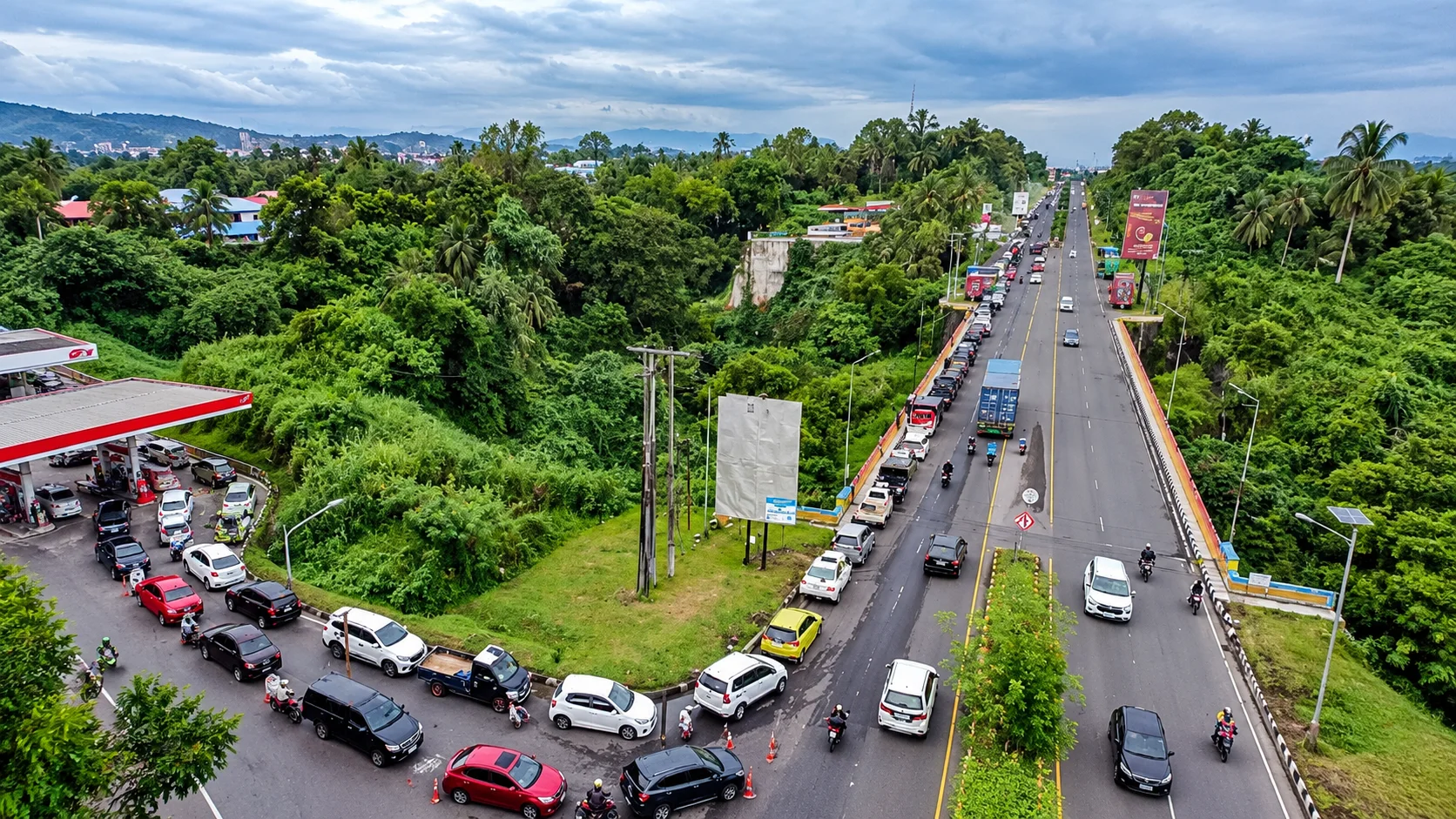
Inflation indices do not always capture the full economic burden on consumers. Factors like fuel queues and supply chain disruptions impose real costs in time and effort, even when offi...
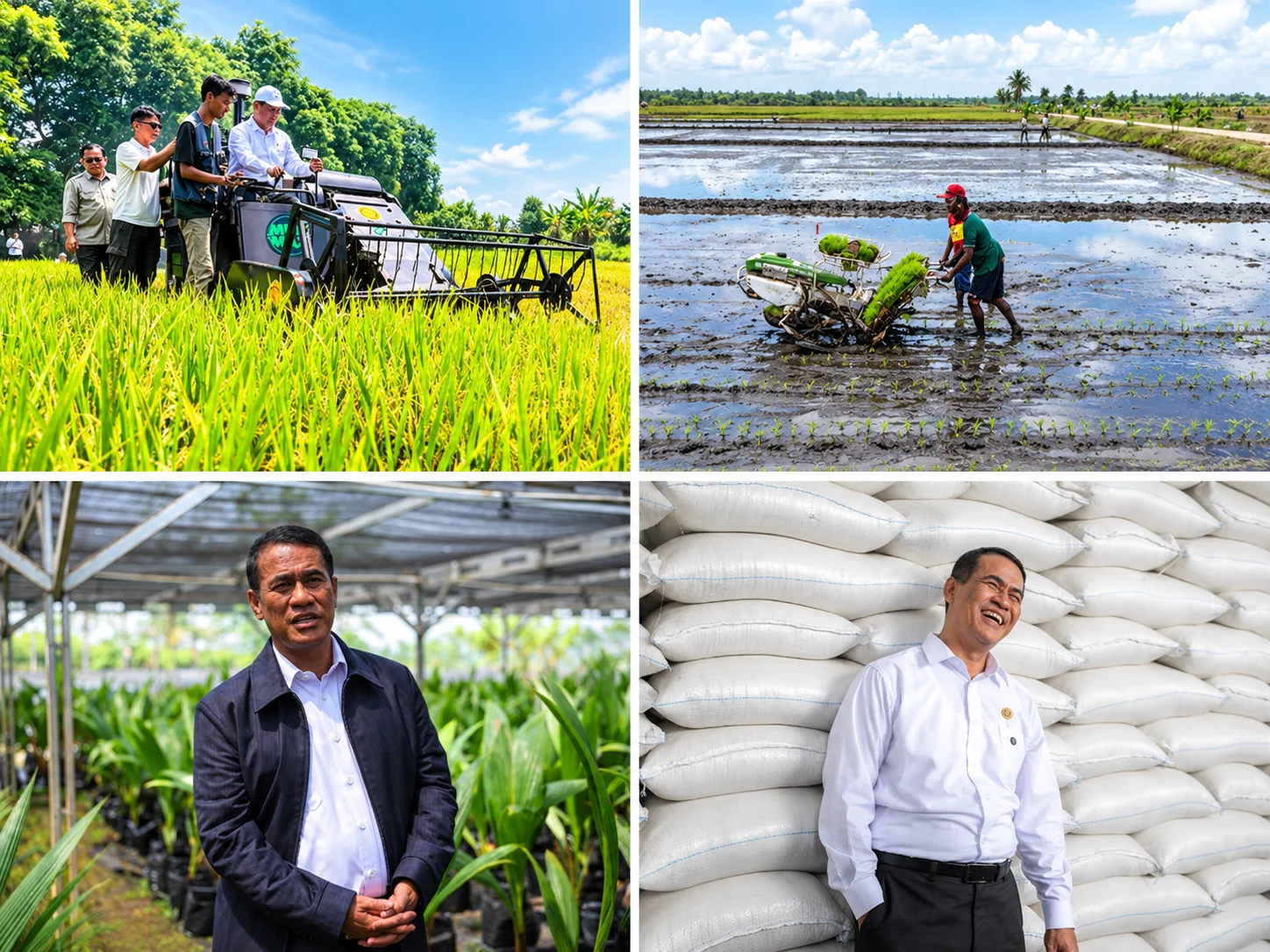
The first two years of the Prabowo Subianto and Gibran Rakabuming Raka administration have focused on accelerating agricultural development, improving food governance, and enhancing sup...
Recent labor market data challenges the long-held belief that a bachelor's degree is the only path to career success. Statistics reveal that vocational graduates often face lower unempl...
The government is rolling out a series of economic initiatives, including social assistance, wage subsidies, and housing incentives, to maintain purchasing power and support workforce s...
The recent sharp decline of the Indonesia Composite Index (IHSG) highlights deep-seated concerns regarding market transparency and governance. This analysis explores whether the market...
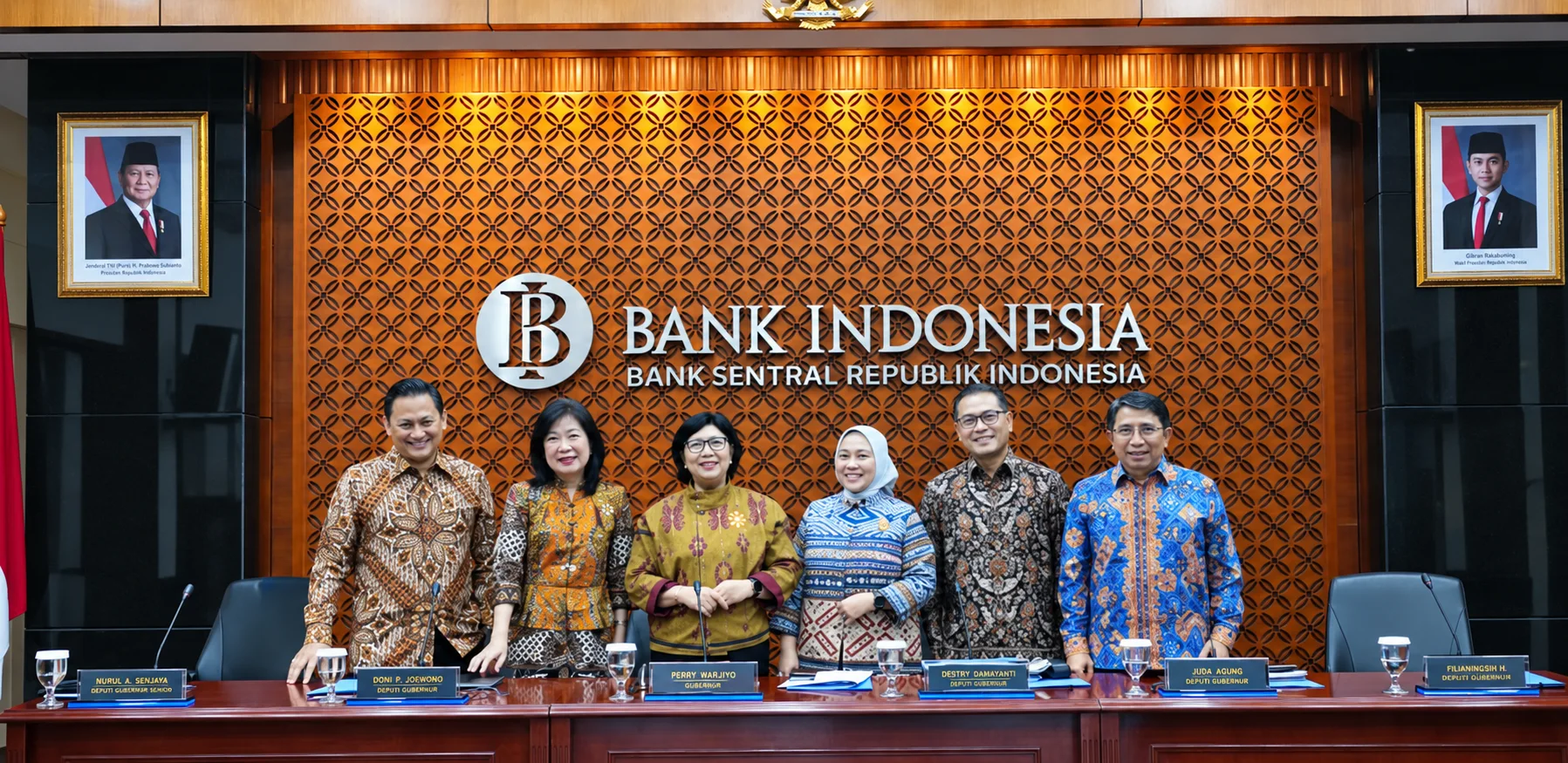
Bank Indonesia has opted to maintain the BI-Rate at 5.75% while simultaneously easing liquidity through lower reserve requirements. This analysis explores how this dual-track strategy a...
As food prices fluctuate at Ciputat's Perwira Market, consumers are increasingly turning to substitute goods to manage their household budgets. This report examines how shoppers and tra...
While Jakarta Governor Pramono Anung enjoys high public approval, his low-profile leadership style faces a critical test against persistent urban challenges like unemployment, inequalit...
While Indonesia's inflation remains within the target range, rising core inflation and shifting market expectations present new challenges. This analysis examines the interplay between...
Global geopolitical tensions are disrupting energy and food supplies, creating significant challenges for Indonesia's economic stability, consumer purchasing power, and corporate invest...
A prolonged period of tight global labor markets and low unemployment is keeping inflation above central bank targets. While Indonesia remains relatively stable, it must remain vigilant...
As the rupiah weakens and import costs rise, businesses are being forced to re-evaluate their production inputs. Companies must now optimize the balance between labor, capital, and raw...
The September 2026 APBN KiTa report highlights a resilient fiscal performance, demonstrating how the state budget continues to drive economic growth while providing essential protection...
Indonesia's digital transformation is entering a new phase where the focus is shifting from mere technology adoption to driving tangible economic productivity and value creation. This s...