


KUBU RAYA, JurnalPost.com — The use of digital technology is becoming an essential component of village development, both for disseminating information to the public and for introducing local products, commodities, and economic potential to a wider audience.
This was a key focus of the University of Indonesia (UI) Patriot Expedition Team 2026 during the Excellent Service Training and the Digitalization and Village Potential Promotion Training held at the Teluk Pakedai District Hall, Kubu Raya Regency, West Kalimantan, on Thursday (24/9/2026).
The activity is part of a program to strengthen human resource capacity and economic institutions in the Rasau Jaya Transmigration Area.
The training was attended by 21 participants from six villages: Arus Deras, Sungai Deras, Sungai Nipah, Teluk Pakedai II, Madura, and Pasir Putih.
Participants included village officials and representatives of economic institutions directly involved in public service and local economic development.
During the discussion on digitalization, participants were encouraged to view digital media not just as a communication tool, but as an instrument for promoting their villages.
Social media, for instance, can be used to introduce MSME products, agricultural produce, flagship commodities, community group activities, and various economic potentials that are not yet widely known to the public.
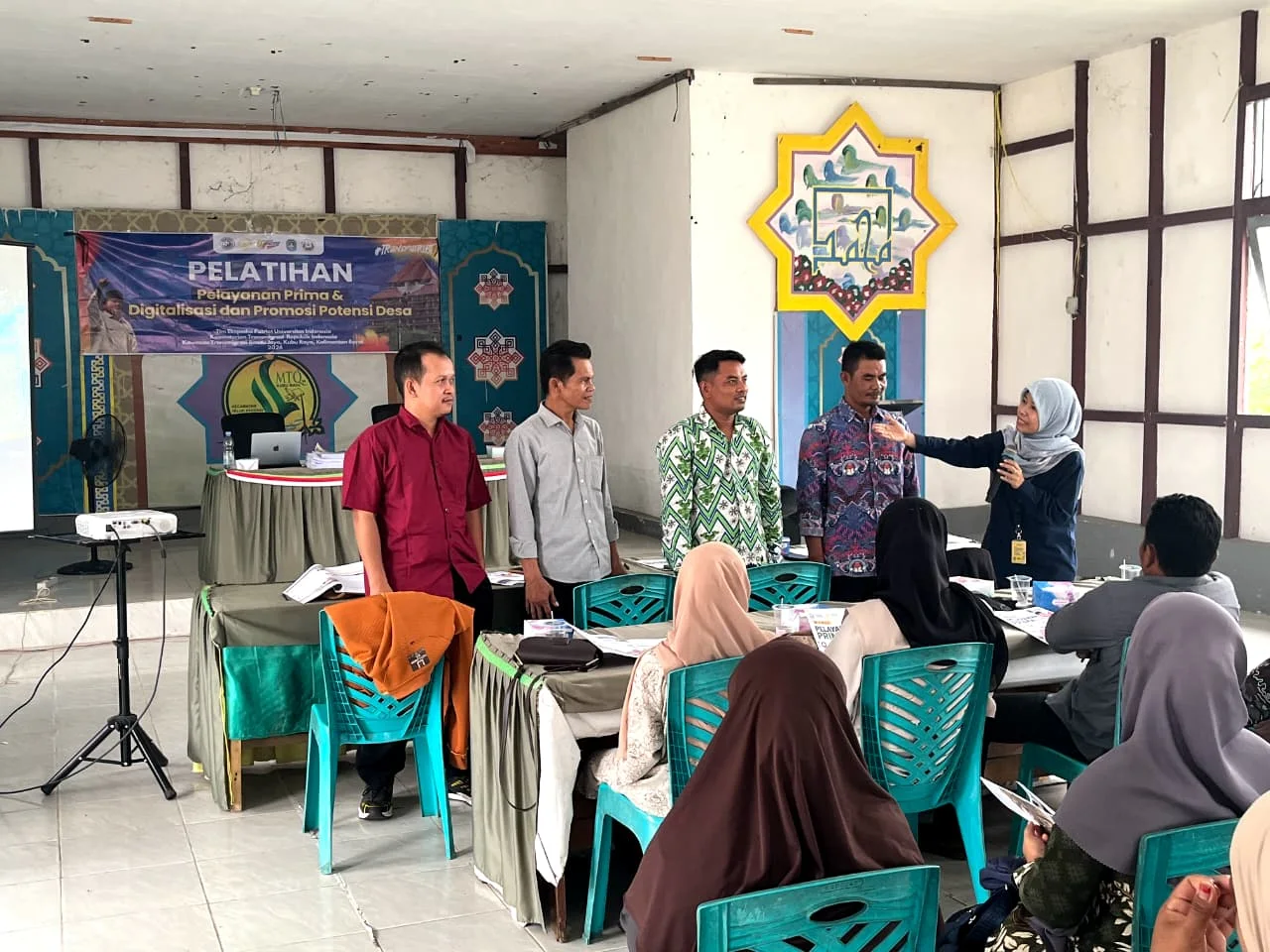
Azmi Aqil, a participant from Pasir Putih Village, noted that the use of social media is increasingly relevant as the way people access information continues to evolve.
“Everything is changing; this is the era of social media and digitalization. Many services and information can be accessed via mobile phones. Not all villagers may understand this yet, but we need to teach them gradually. The TEP team can also mentor the villages so they are not left behind,” said Azmi.
According to him, the use of digital media can be developed not only by village governments but also by MSMEs, farmer groups, and Village-Owned Enterprises (BUM Desa).
The challenge lies in how digital media can be managed consistently, rather than being created and then abandoned.
Consistent information delivery is considered crucial so that village digital channels truly function as a bridge between the village government, the community, business actors, and other stakeholders interested in regional development.
Public Service as a Priority
In addition to digitalization, the training also addressed the importance of excellent service in government activities and village institutions.
Participants were encouraged to understand that service to the community is not just about administrative matters, but also involves communication, responsiveness, process effectiveness, and the ability to understand the community's needs.
The material on excellent service was presented by Siti Fatimah, M.Pd., CertDA., a lecturer at the Vocational Education Program of the University of Indonesia and Chair of the UI Patriot Expedition Team 2026.
The material was designed so that participants would not only grasp the concept of service but also be able to relate it to the situations they face in their daily work.
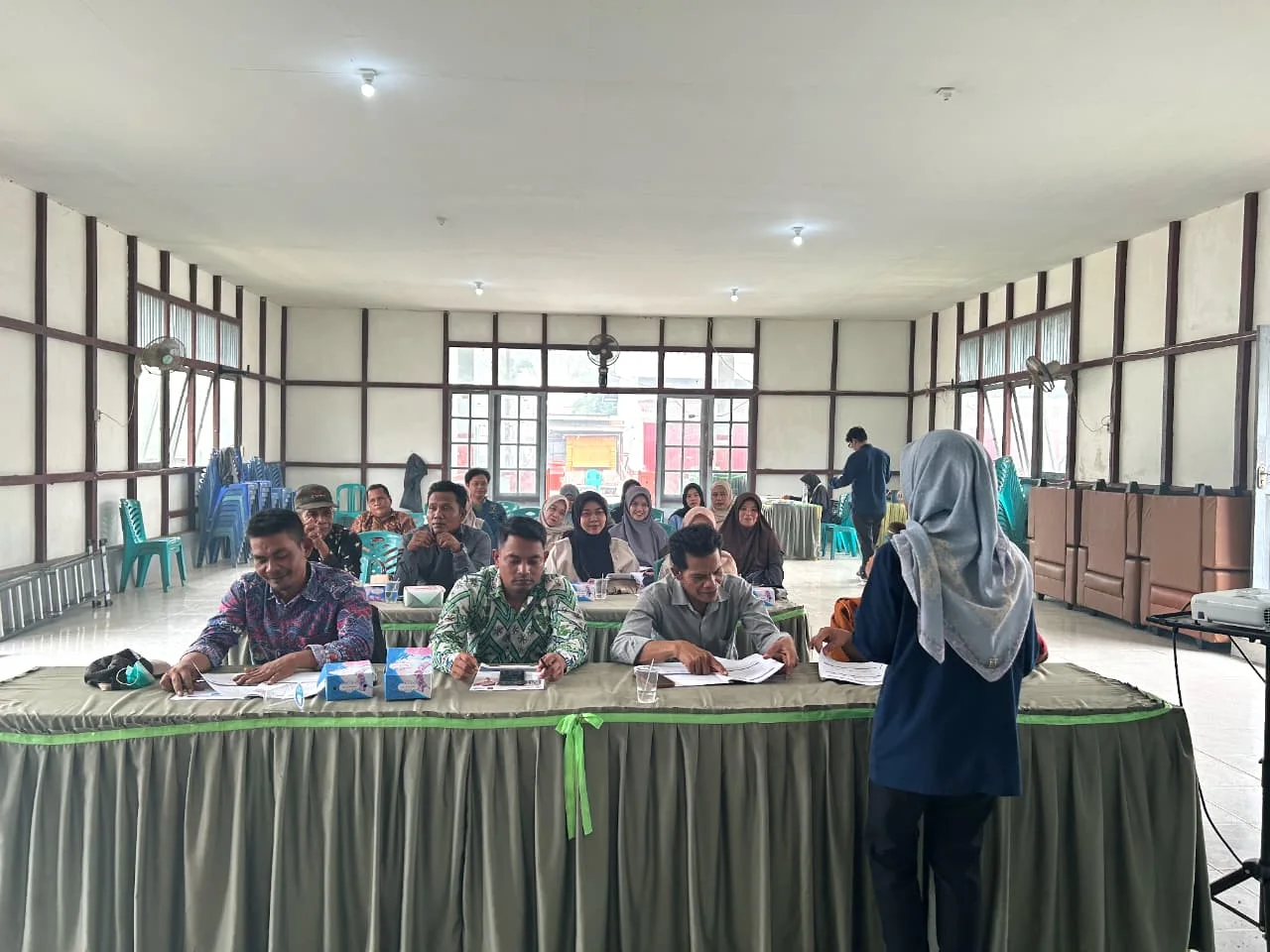
Siti Fatimah stated that village development ultimately depends heavily on the quality of the human resources performing various functions within it.
“We believe that building a nation is essentially about building its people. We see that Teluk Pakedai has extraordinary human resources, great village potential, and economic institutions that can be continuously developed,” said Siti Fatimah.
According to her, training should not stop once the classroom session ends.
The more important phase is what follows, when participants begin to apply the knowledge they have gained in their service and management of village potential.
“Therefore, today's training is not just an activity that ends when the event concludes. The most important thing is what we do after today: how we continue to learn, practice the knowledge gained, improve services, develop village potential, and present best practices that can later be replicated in other villages,” she continued.
Mentoring to Continue After Training
The UI Patriot Expedition Team 2026 also plans to provide follow-up mentoring for the community and village institutions.
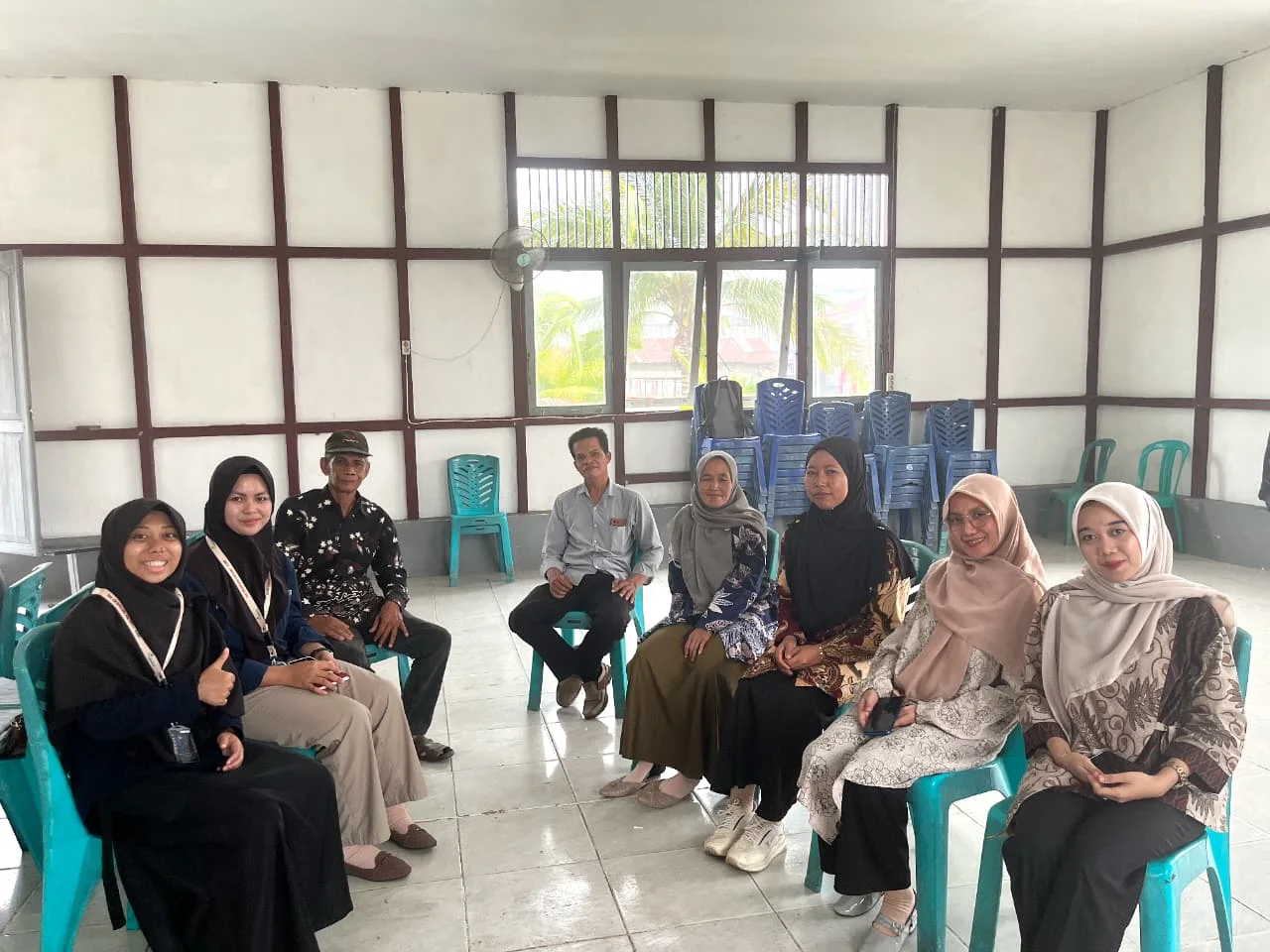
This mentoring is directed at ensuring that the material obtained during the training can be adapted to the needs and characteristics of each village.
“We from the Patriot Expedition Team also hope that the mentoring process carried out by team members after this training will help ensure that the knowledge we gained today truly makes a tangible impact,” said Siti.
In its implementation, the UI Patriot Expedition Team 2026 involves cross-university collaboration from alumni of the University of Indonesia (UI), Tanjungpura University (Untan), and Ahmad Dahlan University (UAD).
The team consists of Ranum Wanudya Yunas, Bani Mukti, Sela Viviyani, Adia Reza Khaleda, Sri Indriani, and Fahmi.
They also served as facilitators in group discussions, helping participants connect the training material to the actual conditions faced in their respective villages.
Participants were divided into three groups to discuss various issues, ranging from experiences in public service and challenges in information dissemination to opportunities for using digital media to promote local potential.
The discussion also served as a space for exchanging experiences between villages.
Each village has different conditions and challenges, so the experience from one area can serve as a reference for others in finding more suitable approaches.
Focus on Local Economic Potential
The training is part of a program titled “Strengthening Human Resource Capacity and Economic Institutions Based on Flagship Commodities in the Rasau Jaya Transmigration Area.”
The program is aimed at encouraging the improvement of community and local institutional capacity in utilizing the region's economic potential.
In this context, good service and the ability to communicate village potential through digital channels are considered to have a close relationship.
Local products or commodities of good quality will struggle to reach a wider market if information about them is not communicated effectively.
Conversely, digital promotion also needs to be supported by adequate institutions and services so that the trust of the community and business partners can be maintained.
Siti Fatimah said that change at the village level can begin gradually, according to existing capabilities and conditions.
“With limited time and all the existing limitations, today we are striving together. Hopefully, what we have learned can be a provision, not only for ourselves but also for the progress of the village and the community in Rasau Jaya.”
Through the strengthening of digital skills, public service, and follow-up mentoring, villages in the Rasau Jaya Transmigration Area are expected to become more active in introducing their potential while strengthening the community's economic activities.
The use of technology with consistent management also opens opportunities for villages to reach more parties, expand access to information, and build more effective communication between village governments, the community, and local economic actors.



Comments 0
Write a Comment Share your response