

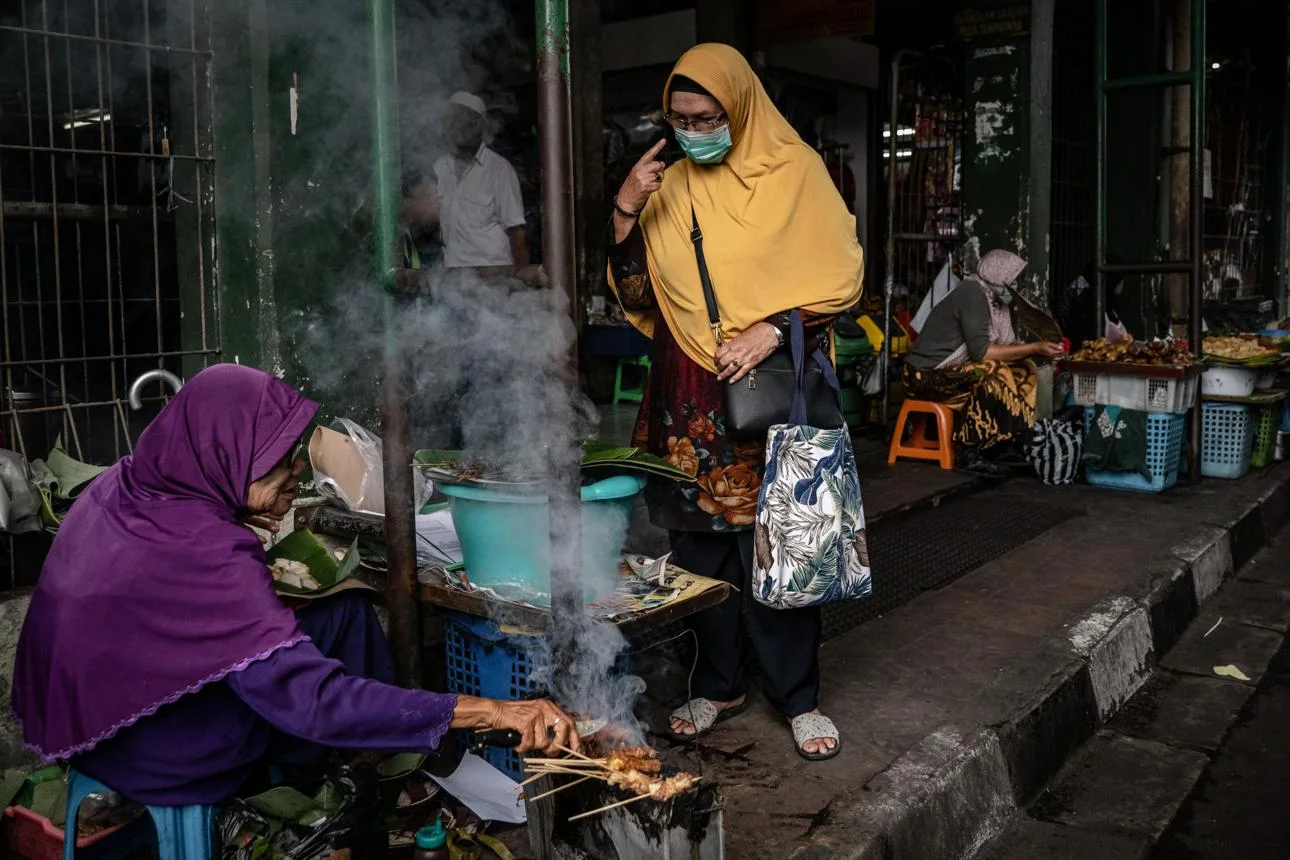
JurnalPost.com - Street food has become an inseparable part of daily life in Indonesia. It is easily found in various locations, ranging from roadsides, market areas, and bustling hubs to school environments. Beyond offering a diverse selection of food, the relatively affordable prices make street food a popular choice for people from all walks of life.
However, behind this convenience and practicality lies an issue that demands attention: food safety. Not all food that looks appealing and appetizing has undergone processing that meets hygiene standards. Improper handling of ingredients, unhygienic equipment, and dirty sales environments can increase the risk of food contamination.
Food safety is a critical aspect because food contaminated with harmful microorganisms can cause health problems, ranging from diarrhea, nausea, and vomiting to more serious foodborne illnesses.
Therefore, the application of hygiene and sanitation principles must be a primary concern at every stage of food processing, especially for street food businesses that interact directly with consumers.
Hygiene and Sanitation Challenges for Street Vendors
Maintaining food cleanliness is not just about the appearance of the food being sold; it encompasses the entire process of preparation, storage, serving, and the hygiene of the food handler.
In practice, the application of hygiene and sanitation principles among street vendors still faces various challenges.
Research by Miranti et al. (2022) involving 24 vendors shows that understanding of hygiene, sanitation, and food safety principles still needs improvement. These findings highlight the importance of education so that vendors can understand the risks of contamination during the food processing stage.
Food safety issues are not unique to Indonesia. The World Health Organization or World Health Organization (WHO) estimates that approximately 600 million people worldwide suffer from illnesses caused by consuming contaminated food each year.
This figure illustrates that foodborne illness is a public health issue that requires serious attention.
The Food and Agriculture Organization of the United Nations (Food and Agriculture Organization/FAO) also highlights various food safety challenges in street food, including limited oversight, sanitation facilities, and the implementation of safe food processing practices.
Thus, food safety in street food is not merely a matter of individual vendor cleanliness, but also relates to oversight systems, environmental conditions, and the availability of supporting facilities.
Lack of Knowledge Can Increase Contamination Risk
One factor that can influence the safety of street food is the level of vendor understanding regarding the importance of hygiene and sanitation.
Some vendors acquire food preparation skills through daily experience or knowledge passed down informally. While this method can help develop cooking skills, it does not necessarily provide an adequate understanding of the microbiological dangers in food.
As a result, some seemingly simple habits can become sources of contamination, such as not washing hands before preparing food, using unclean equipment, or leaving food uncovered in dusty environments.
Motor vehicle activity, the presence of trash, insects, and poorly maintained sales environments can also increase the risk of food contamination.
Research on the microbiological quality of snacks in school environments also shows that the cleanliness of the sales location, food storage, and food handler behavior are important factors that need attention.
One parameter used in microbiological food testing is the Total Plate Count (TPC), which measures the number of microorganisms that can grow under specific testing conditions.
A high TPC value can be an indicator that cleanliness and food handling need evaluation. However, the assessment must refer to microbiological limits appropriate to the food category, as not all types of food have the same requirements.
This condition shows that food safety cannot be judged solely by taste, aroma, or appearance. Food that looks clean is not necessarily free from harmful microorganism contamination.
Storage Temperature and Cross-Contamination Are Key Factors
In addition to personal and environmental cleanliness, food storage temperature plays a major role in maintaining food safety.
Perishable ingredients such as meat, fish, eggs, milk, and coconut milk-based processed foods require proper handling and storage.
If these foods are left at room temperature for too long, certain microorganisms can multiply and increase the risk of foodborne illness.
Another risk is cross-contamination, which is the transfer of microorganisms or contaminants from one material or surface to another.
Cross-contamination can occur when vendors use the same knife, cutting board, container, or equipment to process raw materials and cooked food without cleaning them first.
For example, a cutting board previously used to cut raw chicken can become a source of contamination if it is immediately used to cut vegetables or ready-to-eat food.
Microorganisms from raw materials have the potential to transfer to food that has been cooked and should be safe for consumption.
Therefore, separating raw materials and cooked food is a crucial step in preventing cross-contamination.
Vendors also need to ensure food is cooked thoroughly, stored at safe temperatures, and not left uncovered for too long.
Limited Sanitation Facilities Remain an Obstacle
Implementing hygiene and sanitation is not always easy, especially for vendors operating with limited facilities.
Some street vendors sell in locations that lack adequate access to clean water, handwashing stations, wastewater drainage, or waste management facilities.
These limitations can make it difficult for vendors to maintain the cleanliness of their equipment and food processing areas.
For example, using the same water repeatedly to wash various pieces of equipment can increase the risk of transferring dirt and microorganisms.
The same applies to trash piling up around the sales area. This condition can attract flies and other insects that potentially carry microorganisms to the food.
These issues show that improving food safety cannot be entirely blamed on the vendors.
Support from local governments, health services, and relevant parties is needed to provide adequate sanitation facilities and improve vendor knowledge regarding safe food processing practices.
The Importance of Education and Consistent Hygiene Application
Food safety education is one step that can be taken to reduce the risk of contamination in street food.
Through counseling and training activities, vendors can gain knowledge on how to select raw materials, maintain equipment cleanliness, manage storage temperatures, and avoid cross-contamination.
Such training should not only provide theoretical explanations but also include practical examples that can be applied in daily sales activities.
Some simple habits that need to be applied include washing hands with soap and clean water before preparing food, after handling raw materials, and after using the toilet.
Cooking and serving equipment also need to be cleaned properly, while ready-to-eat food should be stored in closed containers to protect it from dust, insects, and other sources of contamination.
Additionally, raw materials must be separated from cooked food, both in storage and in the use of equipment.
Vendors also need to pay attention to the cleanliness of work clothes, their health condition when handling food, and the cleanliness of the sales environment.
Consistently applying these habits can help reduce the risk of food contamination while increasing consumer trust.
Food Safety Is a Shared Responsibility
Food safety in street food is an issue that requires attention from various parties.
Low understanding of hygiene and sanitation, limited cleaning facilities, improper food storage, and the possibility of cross-contamination are factors that can increase the risk of food being unsafe for consumption.
Therefore, efforts to maintain the safety of street food must be carried out continuously.
Vendors have a responsibility to implement clean and safe food processing practices. The government needs to provide support through oversight, the provision of sanitation facilities, and easily accessible food safety training.
On the other hand, the public as consumers also plays an important role by paying closer attention to the cleanliness of the sales location, the condition of the food, and how vendors handle and serve food.
Choosing street food is not just about affordable prices or delicious taste, but also about ensuring the food is safe for health.
Ultimately, the application of good hygiene and sanitation is not just an obligation in the food processing process, but a form of responsibility to protect consumer health.
With increased vendor awareness, government support, and public concern, street food can continue to thrive as part of Indonesia's culinary life without neglecting the aspect of food safety.










Comments 0
Write a Comment Share your response