


The Importance of Political Participation in Democratic Life
Democracy is a system of government that provides society with the opportunity to be involved in determining the direction of the nation and the state. In a democratic system, the public is not merely a recipient of government decisions but also holds the right to express opinions, offer criticism, and oversee the administration of government.
Therefore, public political participation is a crucial element in realizing a healthy and accountable democracy in Indonesia.
Political participation can be understood as the involvement of citizens in various activities related to political processes and decision-making. This involvement is not limited to exercising the right to vote in general elections (pemilu) but also includes expressing aspirations, discussing public policy, participating in community organizations, and overseeing government administration.
The importance of political participation is closely related to the position of the people in the Indonesian constitutional system. Article 1, paragraph (2) of the 1945 Constitution of the Republic of Indonesia affirms that sovereignty is in the hands of the people and is exercised according to the Constitution.
This provision shows that the people hold a significant position in democratic life. The public is not just an object of policy but also plays a role in determining the direction of state administration.
However, the success of democracy is not determined solely by high levels of public participation. Democracy also requires a government that operates based on the rule of law, the protection of citizens' rights, and the availability of open spaces to express opinions and aspirations.
Thus, public participation and the responsibilities of state institutions must go hand in hand for democracy to develop healthily.
Forms of Public Political Participation in Indonesia
Political participation can be manifested through various daily activities. One of the most common forms is participating in general elections.
Through elections, eligible citizens can exercise their right to vote to determine leaders and representatives according to their individual choices.
However, public involvement in politics should not cease once the voting is over.
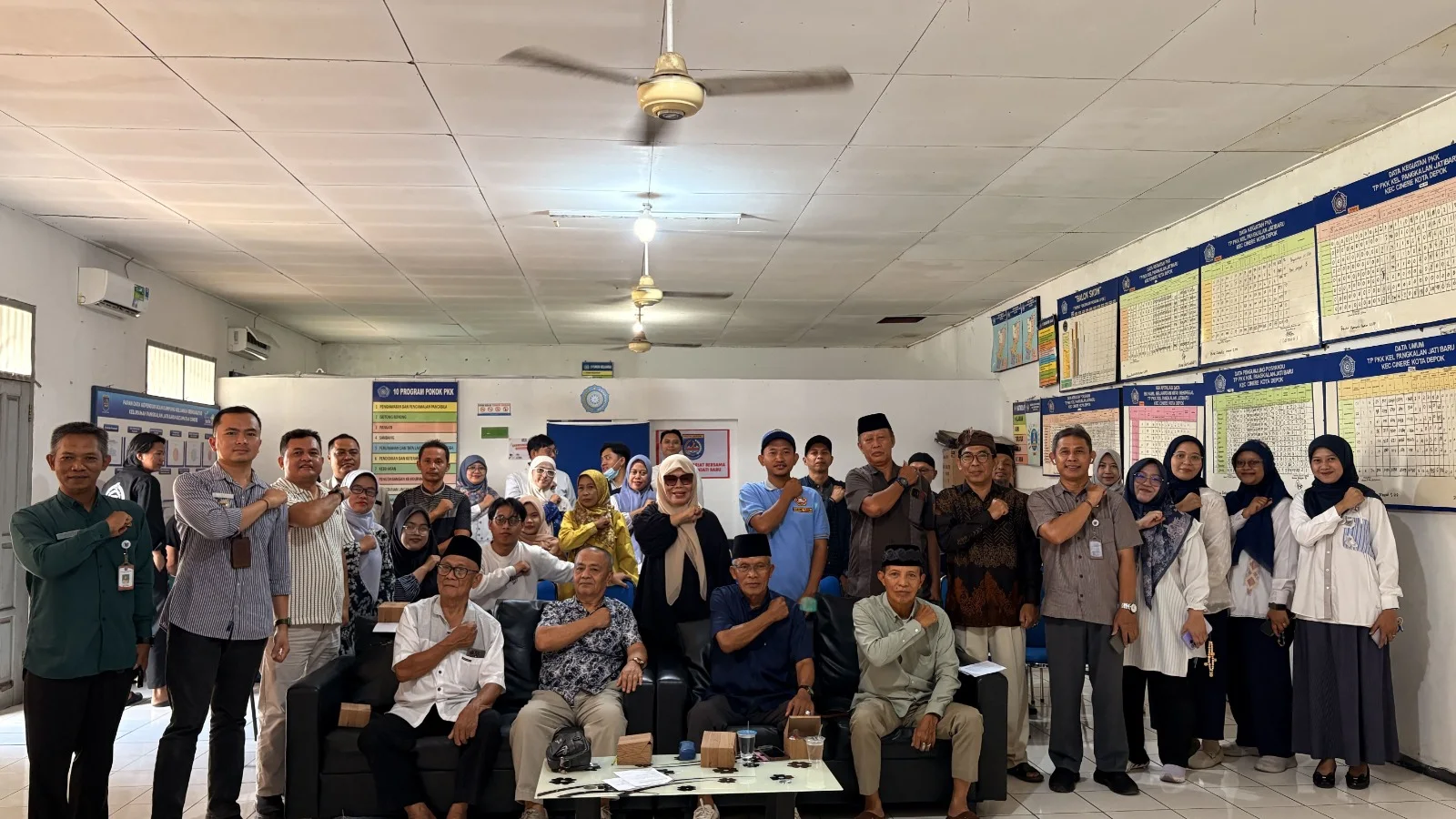
The public can continue to participate by following government policy developments, expressing opinions in discussion forums, attending community meetings in their neighborhoods, and providing input on various issues related to the common interest.
For example, citizens can voice aspirations regarding road repairs, improvements to educational facilities, or healthcare services through village meetings and community gatherings.
Such activities are simple forms of participation but hold significant meaning as they provide citizens with the opportunity to convey their needs directly.
University students also have space to participate in political life. This involvement can be carried out through academic discussions, student organizations, social activities, and the responsible expression of aspirations.
Furthermore, the public can play a role in overseeing the conduct of elections. The General Election Supervisory Agency (Bawaslu) encourages public involvement through voter education, participatory oversight, and reporting alleged violations through available mechanisms.
This involvement demonstrates that elections are not just about choosing leaders, but also a democratic process that requires collective oversight.
These various forms of participation show that every citizen has the opportunity to be involved in political life according to their rights, capabilities, and applicable legal provisions.
The Role of Political Participation in Strengthening Democracy
Political participation plays a vital role in building the relationship between the public and the government.
Through active involvement, the public can convey their needs, interests, and the various issues they face to those with the authority to make decisions.
These aspirations can serve as material for consideration in the formulation and evaluation of public policy.
Beyond serving as a means to convey aspirations, political participation also functions as a form of oversight over the administration of government.
The public can evaluate policies, provide constructive criticism, and question government decisions related to the public interest.
However, such oversight must be conducted based on verifiable information and through methods that comply with the law.
Political participation can also increase public awareness regarding their rights and obligations as citizens.
When the public understands political processes and how the government works, they will have a better foundation for making political choices wisely.
For example, before casting a vote in an election, citizens can study the vision, mission, and programs of candidate leaders, then consider their alignment with the needs of the community.
Thus, political decisions are not based solely on a figure's popularity or environmental influence, but also on rational considerations.
On the other hand, public participation can open communication channels between the government and citizens.
Aspirations expressed openly allow the government to understand the issues truly felt by the public.
Nevertheless, the opportunity to participate must be followed by clear responses and follow-up from the authorities. Without adequate feedback, public involvement risks becoming merely a formal activity without yielding meaningful change.
Therefore, the quality of democracy is not measured solely by the holding of general elections. A healthy democracy also requires openness to criticism, adherence to the law, respect for citizens' rights, and continuous public oversight.
Challenges of Political Participation in the Digital Era
The development of information technology has brought major changes to how the public participates in political life.
Through social media and various digital platforms, the public now finds it easier to obtain information, follow government policy developments, and express views on political issues.
This convenience provides broader opportunities for the public to engage in public discourse without always having to be physically present at a meeting.
However, technological development also presents new challenges, especially regarding the spread of unverified information.
False or misleading political information can influence how the public understands an event, a figure, or a government policy.
If such information is immediately believed and disseminated without verification, misunderstandings can escalate into debates that harm democratic life.
Therefore, the public needs to get into the habit of verifying the truth of information before believing or sharing it with others.
Another challenge is the difference in political choices, which sometimes triggers unhealthy debates.
In a democratic life, every citizen has the right to determine their choice of candidate leaders, political parties, or policies deemed appropriate to their views.
Such differences are natural. However, differences in perspective should not be a reason to belittle, insult, or hate others.
Democracy actually requires the ability to respect differences and build open communication.
Furthermore, not all segments of society have the same level of political knowledge and access to information.
Some members of the public may find it difficult to understand political programs, regulations, or policy information presented using overly complex terminology.
This condition highlights the importance of political education that is simple, easy to understand, and accessible to various layers of society.
Nevertheless, social media and differences of opinion do not always have negative impacts.
If utilized well, social media can become a tool for political education, while differences in perspective can open opportunities to discuss and understand an issue from various angles.
Therefore, the public needs to develop the habit of critical thinking, comparing information from trusted sources, and expressing opinions based on clear reasoning.
Such an attitude can help create a political discussion space that is healthier, more open, and responsible.
Efforts to Increase Public Political Participation
Increasing public political participation requires cooperation between citizens, educational institutions, election organizers, and the government.
One step that can be taken is to expand political education so that the public increasingly understands their rights and obligations as citizens.
Political education should not only discuss election procedures but also explain the functions of state institutions, the policy-making process, and the mechanisms for conveying aspirations to the government.
Educational institutions, including universities, have an important role in building the political awareness of the younger generation.
Through discussions, news analysis, and the examination of socio-political issues, students can develop critical thinking skills and understand various issues occurring in the community.
Students do not have to be involved in practical political activities to show their concern for the life of the nation.
Studying public policy, participating in academic discussions, offering criticism based on facts, and helping to improve public political understanding are also beneficial forms of participation.
In addition to political education, the government and related institutions need to provide spaces for participation that are easily accessible to the public.
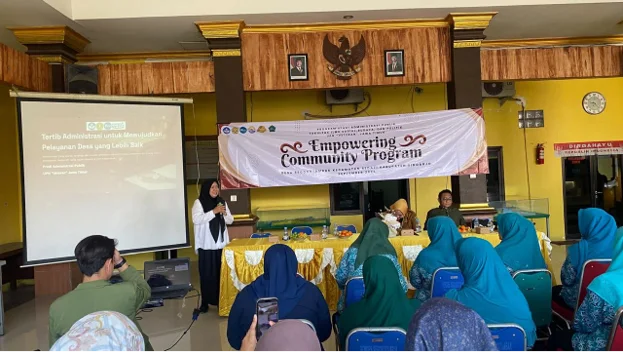
Public discussion forums, community meetings, complaint services, and the submission of aspirations through digital platforms can serve as means to strengthen communication between the government and the public.
However, the availability of these facilities must be followed by transparency regarding how public aspirations are received, processed, and followed up on.
Thus, the public can know that the opinions they express truly receive attention in accordance with the authority of the relevant institutions.
The public themselves also need to demonstrate responsibility in exercising their political rights.
Freedom of expression must be accompanied by respect for the rights of others, compliance with regulations, and the awareness not to spread unverified information.
If they encounter alleged violations, the public should use reporting mechanisms through authorized institutions, rather than immediately spreading accusations without a clear basis.
Through these steps, political participation is expected not only to increase the number of citizens involved in political activities but also to improve the quality of communication, oversight, and decision-making in democratic life.
Conclusion
Public political participation is an important part of strengthening democracy in Indonesia.
This involvement can be realized through exercising the right to vote in elections, expressing aspirations, participating in community discussions, overseeing government policy, and various other activities related to the common interest.
Political participation provides the public with the opportunity to convey needs, oversee the administration of government, and increase understanding of rights and obligations as citizens.
However, its implementation still faces a number of challenges, such as the spread of unverified information, differences in political choices that trigger conflict, and inequality in access to political knowledge and information.
To face these challenges, political education that is easy to understand, the availability of reliable information, open spaces for participation, and the public's ability to think critically and act responsibly are required.
The government and related institutions also need to provide clear responses to public aspirations in accordance with their duties and authorities.
Ultimately, a healthy democracy requires cooperation between the people and the government administrators.
The public needs to use their political rights wisely, while the government must carry out its duties based on the law and prioritize the public interest.
Democracy does not only become strong when the public is given the opportunity to vote, but also when their voices are heard, their rights are respected, and their involvement is continuously maintained in the life of the nation and the state.





Comments 0
Write a Comment Share your response