


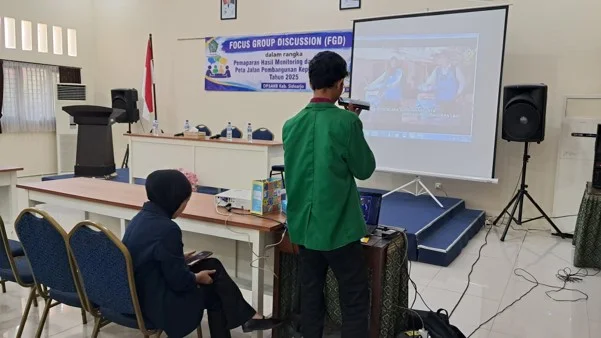
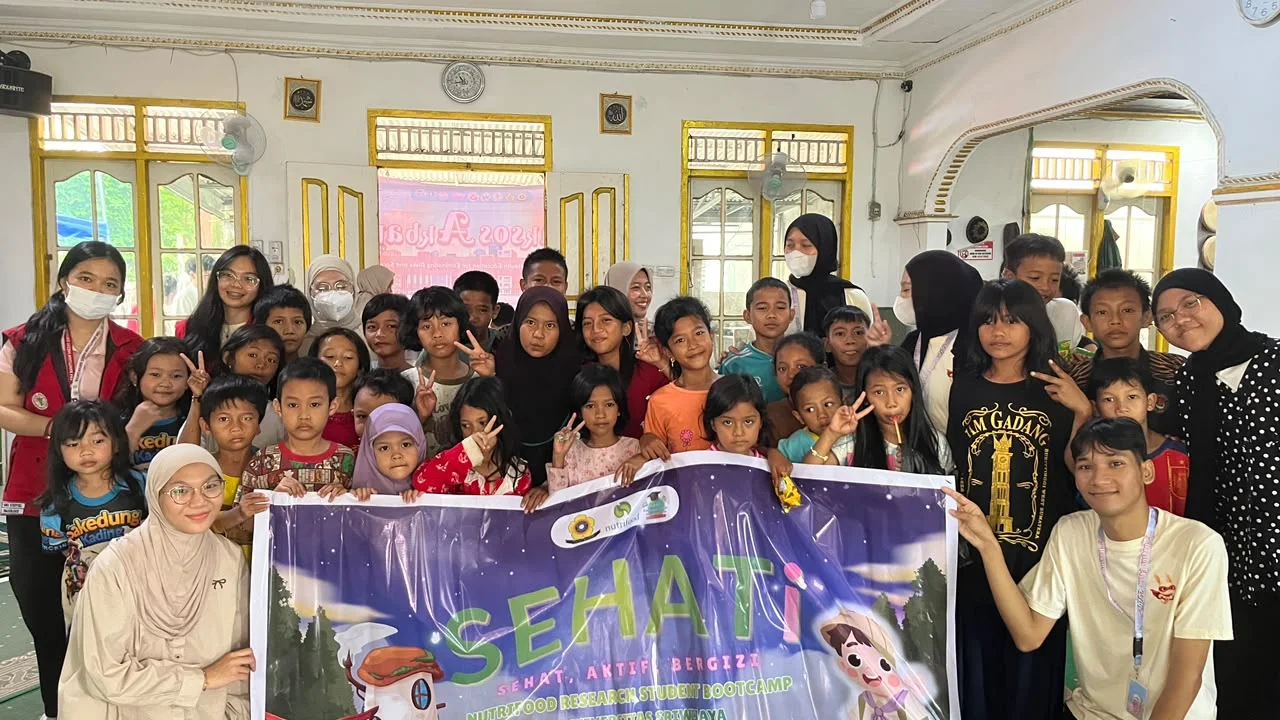
Semarang, JurnalPost.com — Five public health students from Universitas Negeri Semarang (UNNES) have collaborated to implement the SEHATI (Synergy of Education, Data, and Action for Healthy and Safe Schools) program at SDN Sukorejo 01, Semarang.
The program, which ran from 7 September to 2 October 2026, was part of the SKM (Public Health Scholar) Health Education Driver initiative in schools. During its implementation, five public health specializations were integrated to provide a comprehensive assessment of the school's health status.
The approach not only addressed student behavior but also examined environmental conditions, safety, disease risk factors, demographic data, nutritional status, and social health within the school environment.
Sanitation and Environmental Audit
From the Environmental Health perspective, the students audited various sanitation facilities, including toilets, handwashing stations, water sources, waste disposal areas, drainage, the canteen, and the general school environment.
These observations were followed by the Clean and Healthy Toilet Movement. This initiative aimed to increase awareness among the school community regarding the cleanliness and adequacy of sanitation facilities.
Mapping School Safety Risks
Meanwhile, the Occupational Health and Safety (K3) specialization inspected public school facilities to identify potential hazards and assess their risk levels.
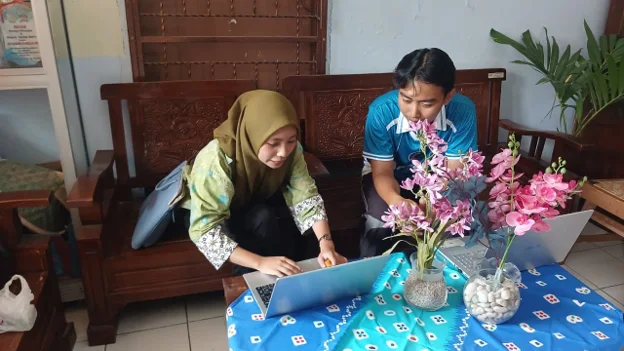
The students also developed evacuation routes and designated assembly points as part of emergency preparedness.
These measures are expected to provide the school with clearer guidelines for managing potential disasters or incidents requiring evacuation.
Student Health Screening
From an epidemiological perspective, the students conducted health screenings to identify disease risk factors among the students.
In addition to initial examinations, they monitored risk factors and recorded cases of illness found within the school environment.
This data can be used to track changes in student health over time and help the school identify health issues that require further attention.
Demographic Data and Nutritional Status
The Biostatistics and Population specialization took the lead in processing school data.
The students compiled a School Demographic Profile and analyzed student nutritional status based on the Body Mass Index-for-age (BMI/A) indicator.
Data processing was performed using Microsoft Excel, in accordance with the Minister of Health Regulation Number 2 of 2020.
The analysis results are expected to provide a more measurable overview of student characteristics and their nutritional conditions.
GERMAS Education and Anti-Bullying Efforts
Behavioral change aspects were managed by the Health Promotion specialization.
The students organized a Healthy Living Community Movement (GERMAS) campaign and provided education on bullying prevention and mental health.
The material was delivered using interactive methods to ensure students could easily understand health messages and apply them in their daily lives.
Through this series of activities, several outputs were produced, including a school condition report, a school profile, data analysis results, an evacuation route map, educational modules and media, and policy recommendations.
The SEHATI program was designed to ensure that the five public health specializations worked in synergy. The collected data was used to identify problems, followed by education and actions tailored to the school's specific needs.
Through this approach, the program is expected to help the school build a learning environment that is healthier, safer, and more supportive of the physical and social well-being of the students.





Comments 0
Write a Comment Share your response