

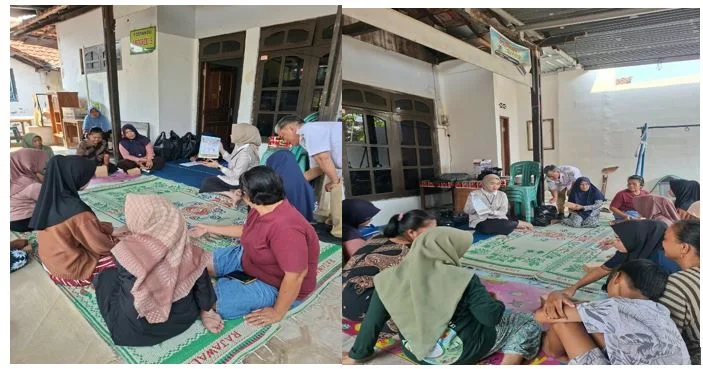
PEKALONGAN, JurnalPost.com - Efforts to improve public understanding of the importance of meeting toddlers' nutritional needs were carried out through a balanced nutrition education program at Posyandu Anggrek 5, Keputran Village, East Pekalongan District, Pekalongan City, Central Java.
The activity involved Ratna Dewi, S.KM., a health promotion officer from the Klego Community Health Center (Puskesmas), alongside Irene Suryakunisa, a student from the Bachelor of Public Health program at the Faculty of Health Sciences, University of Pekalongan 1.
The education aimed to provide mothers of toddlers with a better understanding of the importance of a balanced diet, the selection of diverse food ingredients, and the implementation of clean and healthy living habits within the family.
Meeting a child's nutritional needs depends not only on the quantity of food consumed but also on the quality, variety, hygiene, and suitability of the food to the child's specific requirements.
Through this activity, mothers were encouraged to understand that healthy eating habits can be built within the immediate home environment, particularly through the daily preparation and serving of meals.
Understanding Balanced Nutrition through Daily Habits
During the education session at Posyandu Anggrek 5, mothers received explanations regarding the principles of balanced nutrition, the importance of consuming a variety of foods, and how to tailor food intake to a toddler's age and needs.
The educational material also covered food hygiene, safe food processing, and the application of clean and healthy living behaviors as part of maintaining family health.
Information was delivered by emphasizing aspects relevant to daily life to ensure it was easily understood and applied by the participants.
One of the key messages was that food that simply makes a child feel full does not necessarily meet all of their nutritional requirements. Therefore, parents need to pay attention to the balance of carbohydrates, proteins, fats, vitamins, and minerals in their daily menus.
The Ministry of Health of the Republic of Indonesia has introduced the Balanced Nutrition principles and the Isi Piringku (My Plate) guidelines as an educational tool to help the public understand healthy eating patterns.
However, applying these principles to toddlers requires adjustments based on their age, developmental stage, eating ability, and individual nutritional needs.
This information is expected to help families understand the importance of combining various food ingredients available in their local environment to support child growth and development.
The Family's Role in Supporting Toddler Growth
Families play a crucial role in shaping a child's eating habits from an early age. Food choices, preparation methods, meal schedules, and the atmosphere during mealtimes all influence daily eating patterns.
Therefore, nutritional education emphasizes not only theoretical understanding but also the implementation of healthy habits that are realistic and suited to the family's circumstances.
Parents can start by providing varied meals, utilizing local food ingredients, paying attention to the child's nutritional needs, and ensuring hygiene during food storage, preparation, and serving.
In addition to meeting nutritional intake, monitoring a toddler's growth is essential and should be done regularly.
Through Posyandu services, parents can monitor their child's weight and height or length while obtaining information about their development and health status.
If growth delays, feeding difficulties, or signs of nutritional issues are identified, families are encouraged to consult with health workers to receive appropriate examinations and guidance.
These efforts are part of preventing nutritional problems, including stunting, which requires continuous attention to food intake, health conditions, parenting styles, sanitation, and access to health services.
Posyandu as a Public Health Education Hub
Posyandu does not only function as a site for monitoring toddler growth but also plays a role in bringing health services and information closer to the community.
Through educational activities, Posyandu serves as a communication space for mothers, community health volunteers, and health workers to discuss various issues related to child health.
The presence of volunteers and health workers allows families to receive guidance and information tailored to their needs.
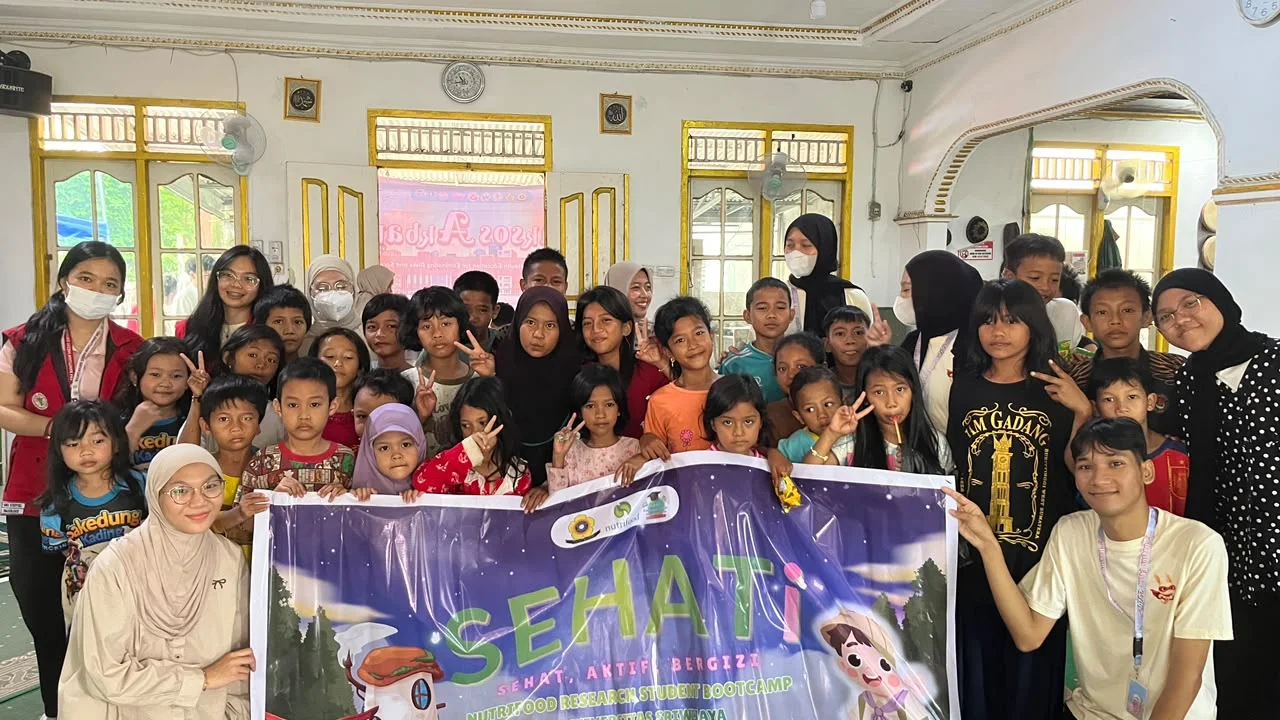
The activity held at Posyandu Anggrek 5 is a form of direct health information delivery to the community, specifically regarding the importance of meeting balanced nutritional needs from an early age.
For Irene Suryakunisa, participating in this activity also served as a learning experience during her internship in the public health sector.
Through this activity, students can gain direct insight into the process of health promotion, ranging from information delivery to interaction with the community as the target audience.
The activity was conducted under the guidance of Ratna Dewi, S.KM., as the health promotion officer at Klego Community Health Center.
The activity also received support from Dewi Nugraheni RM, S.KM., M.Gizi., as the academic supervisor from the Bachelor of Public Health program 1, Faculty of Health Sciences, University of Pekalongan.
The involvement of students and health workers is part of a collaboration between higher education institutions and health service facilities to support the improvement of public knowledge.
Healthy Eating Habits Start at Home
Building healthy eating habits in toddlers is a process that requires the attention and involvement of all family members.
Information regarding balanced nutrition provides greater benefits when applied consistently in daily life, starting from selecting food ingredients and setting menus to maintaining food hygiene and monitoring child growth.
Through the education at Posyandu Anggrek 5, mothers are encouraged to understand that meeting a toddler's nutritional needs does not always require expensive ingredients; it can be achieved by utilizing available food sources while ensuring nutritional balance.
Support from families, Posyandu volunteers, and health workers is a key factor in helping the community maintain these habits sustainably.
This activity demonstrates that health education at the community level can be a first step in increasing family awareness regarding the importance of meeting nutritional needs and monitoring child growth and development.
With better understanding, families are expected to be able to implement healthy eating habits at home as part of maintaining health and supporting optimal toddler growth.
Author Identity
Author: Irene Suryakunisa
Student of the Bachelor of Public Health program 1, Faculty of Health Sciences, University of Pekalongan.
Academic Supervisor: Dewi Nugraheni RM, S.KM., M.Gizi.
Community Health Center Supervisor: Ratna Dewi, S.KM. — Health Promotion Unit Officer, Klego Community Health Center.



Comments 0
Write a Comment Share your response