

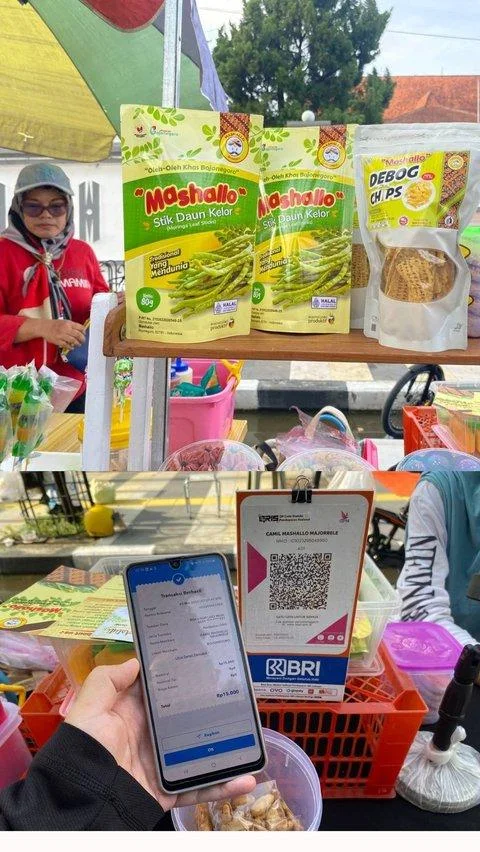
BOJONEGORO, JurnalPost.com — The use of digital banking services is becoming an integral part of daily operations for micro, small, and medium enterprises (MSMEs). Beyond simplifying customer payments, this technology helps business owners monitor cash flow without needing to visit a bank branch.
This convenience is experienced by Siti Badriah, an MSME owner in Bojonegoro Regency, East Java. As a customer of PT Bank Rakyat Indonesia (Persero) Tbk, or BRI, she utilizes the BRImo application and QRIS BRI payment services to support her business activities.
For Siti, digital banking services have transformed how she receives payments and manages sales revenue. Transactions that previously relied heavily on cash can now be processed through various digital payment applications.
The use of these services goes hand-in-hand with her habit of setting aside a portion of her business income for savings. Through this disciplined approach, Siti reports that she has successfully accumulated savings of up to tens of millions of rupiah in her BRI account.
QRIS BRI Simplifies Customer Payments
In running her business, payment convenience is a priority for Siti. She notes that customers now have more options for completing transactions, including through cashless payment methods.
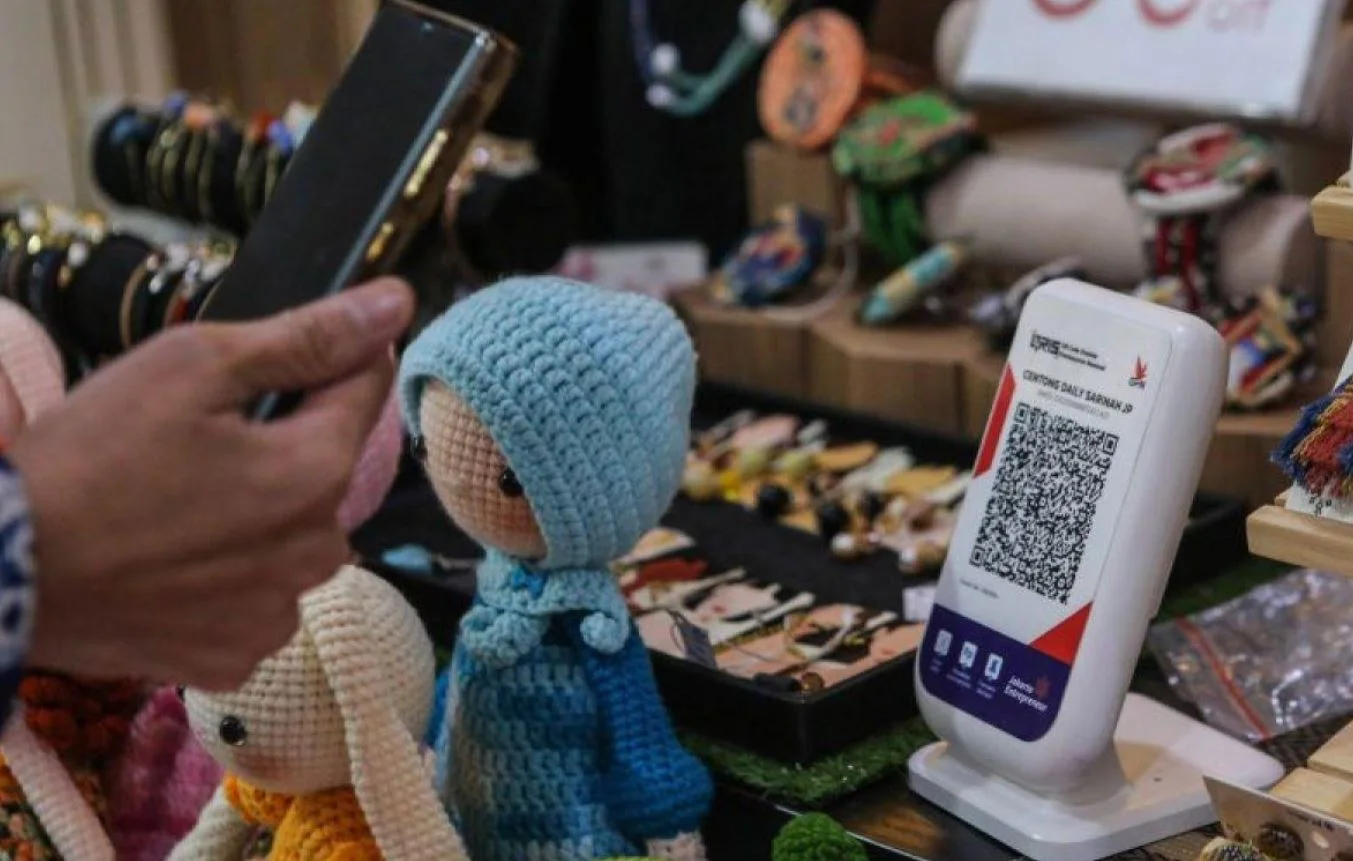
By using QRIS BRI, customers can pay via mobile banking applications or digital wallets that support the QRIS system. Payments are made by scanning the provided QR code, eliminating the need for physical cash.
This method is considered more practical, especially when customers do not carry cash or when the seller lacks small change.
Siti acknowledges that digital payment facilities help streamline her business activities while providing comfort to her customers.
"With BRImo and QRIS BRI, transactions are much more practical. It is easier for customers to make payments, and I no longer need to keep cash on hand to provide change," said Siti Badriah.
According to her, the ease of receiving payments is crucial for small business owners. Beyond speeding up transactions, cashless payments provide an alternative for customers accustomed to using digital financial services.
However, the use of digital services must still be balanced with transaction recording so that business owners can maintain a comprehensive view of their business's financial health.
Use BRImo to Monitor Business Finances
In addition to QRIS, Siti uses the BRImo application to meet her daily banking needs.
Through the app, she can check account balances, view transaction history, monitor incoming funds, make transfers, and complete various payments without visiting a BRI branch office.
This accessibility helps save time, especially when business activities require her full attention.
For MSME owners, monitoring transactions is a vital part of financial management. Information on incoming and outgoing funds serves as a basis for evaluating business growth and estimating future operational needs.
Nevertheless, banking transaction history should still be supplemented with manual records of income and expenses, including cash transactions, to ensure financial accuracy.
Disciplined financial management also helps business owners distinguish between funds used for business operations and money set aside for personal needs.
Routinely Setting Aside Income Leads to Tens of Millions in Savings
Beyond transaction convenience, Siti's experience highlights the importance of a savings habit for small business owners.
She makes an effort to set aside a portion of her business earnings to be stored in her bank account. This habit is maintained as a way to safeguard her financial stability while preparing for future needs.
According to her, the money collected gradually has now reached tens of millions of rupiah.
This amount is the result of her consistent savings habit. She did not specify the duration of the process or the exact amount set aside from her monthly business income.
For Siti, having savings is essential because the income of an MSME owner is not always consistent from day to day.
At certain times, sales may increase, but there are also periods when income decreases while operational costs must still be met.
By setting aside a portion of her income, she aims to build a financial buffer so that not all business revenue is immediately consumed by daily expenses or business activities.
This habit also serves as a way to prepare for future requirements and ensure the sustainability of her business.
Digital Transactions and Savings Habits as Part of MSME Management
Siti Badriah's experience demonstrates how digital banking services can be used to support business activities while helping owners access financial transaction information.
The use of QRIS simplifies the payment collection process, while BRImo provides access to various banking services via mobile phone.
However, the success of accumulating savings is not determined solely by the technology used. The habits of setting aside income, controlling expenses, and managing operational needs remain critical factors.
For MSME owners, the use of financial technology must also be accompanied by attention to transaction security. Verifying payment notifications, checking incoming funds, and protecting account information are steps that cannot be ignored.
Siti's story is an example of how digital services are utilized by regional MSMEs. Amid the growth of cashless payment methods, transaction convenience can go hand-in-hand with efforts to build more planned financial habits.
Through her daily business activities in Bojonegoro, Siti demonstrates that managing income and maintaining the discipline to save can help business owners build a financial reserve to face future needs.





Comments 0
Write a Comment Share your response